How Can You Tell If a Coffee Shop Is Tourist-Friendly
What Makes a Café Feel Easy to Walk Into
When you’re in an unfamiliar place, every small decision takes more energy. You’re navigating new roads, new schedules, new surroundings. Something as simple as choosing where to get coffee can suddenly feel uncertain.
A tourist-friendly café removes that friction. It doesn’t make you feel like you need insider knowledge. It feels welcoming, understandable, and easy to use—even if you’ve never been there before.
In destinations like Broken Bow, Oklahoma, where visitors arrive for cabins, lakes, and trails, cafés often become the first stop of the day. The best ones quietly adapt to travelers. You can usually tell within minutes whether a place was designed for locals only—or built with guests in mind.
This guide shows you how to recognize a tourist-friendly coffee shop before you ever place an order.
Clear Menus Are the First Signal
The easiest way to spot a café that understands travelers is by looking at the menu.
Tourist-friendly shops don’t assume you already know their language. They make choices visible and understandable.
You’ll often notice:
Straightforward drink names
Simple descriptions under items
Categories that make sense at a glance
Prices that are easy to find
These menus don’t test you. They guide you. You don’t need to know what a specific roast style or brewing method means to make a decision.
In towns like Broken Bow, where visitors range from outdoor adventurers to weekend families, cafés that serve tourists simplify the process without dumbing it down.
Layout That Doesn’t Make You Guess
The physical space tells you a lot.
Tourist-friendly cafés make it obvious:
Where to stand
Where to order
Where to wait
Where to sit
You shouldn’t have to watch three people ahead of you just to figure out the flow. The room guides you naturally.
This matters more in unfamiliar places, where people already feel slightly out of place. A good layout removes that pressure.
Staff Behavior Sets the Tone
You can usually tell in seconds whether a café expects newcomers.
In tourist-friendly shops, staff:
Make eye contact quickly
Greet without rushing
Answer basic questions easily
Offer help without judgment
They don’t assume you know the menu. They don’t make you feel slow for asking.
In Broken Bow, where many guests are on vacation and not on a routine schedule, cafés that welcome tourists understand that people are there to enjoy themselves, not to perform efficiency.
Options Beyond “Coffee People” Choices
A café built only for regulars often centers everything around espresso culture. A tourist-friendly café broadens the field.
You’ll usually see:
Non-coffee drinks
Kid-friendly options
Simple comfort items
Food that doesn’t require explanation
This matters because travelers don’t all share the same habits. Some want caffeine. Some don’t. Some just want something warm in their hands before heading out.
A place that accounts for that is thinking about who walks through the door—not just who comes every day.
Visual Cues That Say “You’re Welcome”
Small details send big signals.
Tourist-friendly cafés often include:
Local maps or guides
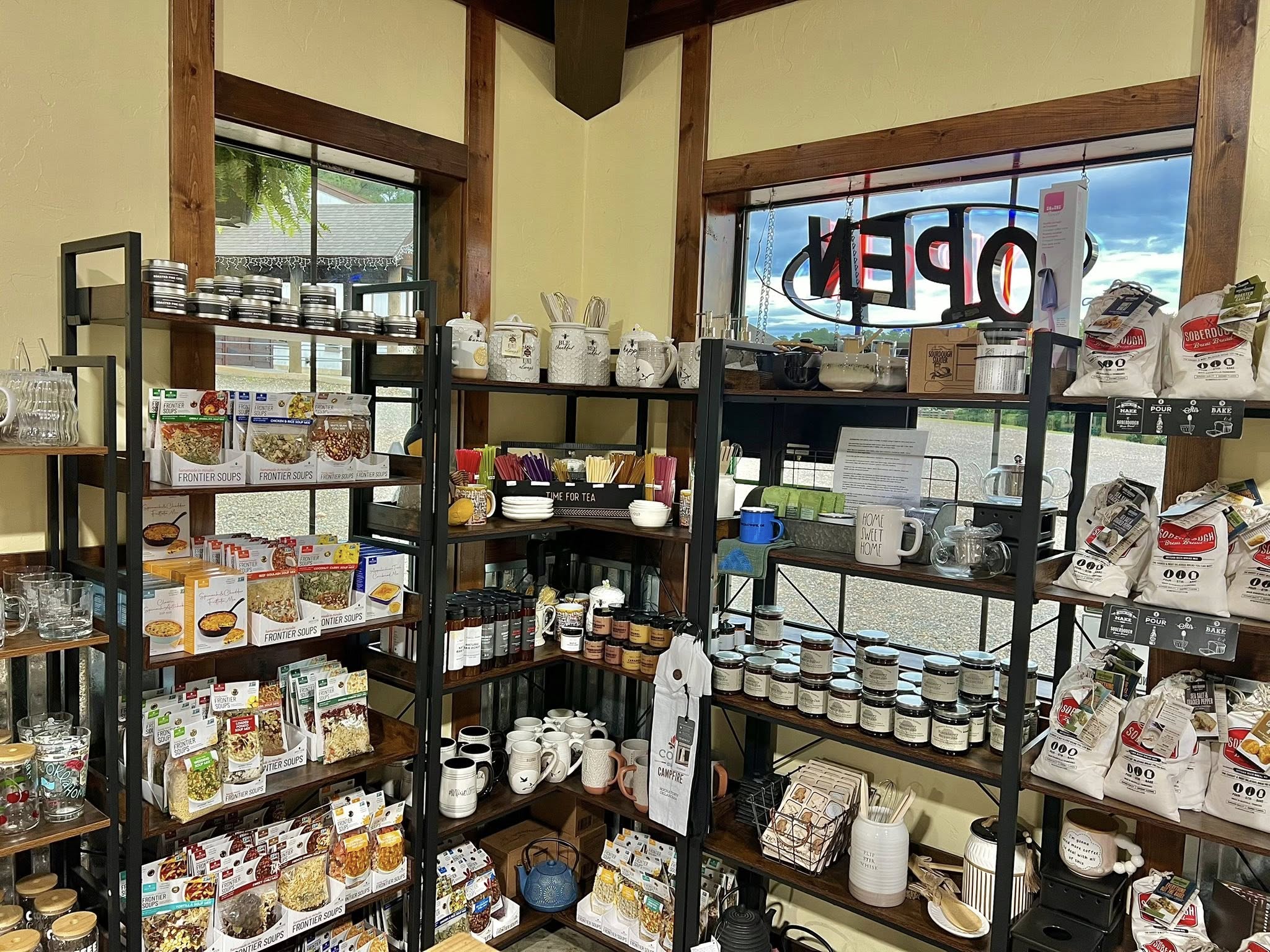
Merchandise or souvenirs
Seating for groups
Signs that explain instead of assume
These elements quietly tell you, “You’re allowed to be here. You’re not interrupting something.”
In a town like Broken Bow, where visitors may only be there for a few days, those cues matter. They turn a stop into part of the experience rather than a hurdle.
A Quick Test You Can Use Anywhere
When you walk in, run this simple check:
Can I understand the menu in under a minute?
Do I know where to stand without copying others?
Does the staff acknowledge me quickly?
Are there options for people who don’t drink coffee?
If you answer “yes” to most of these, you’re in a tourist-friendly café.
If you feel confused, rushed, or out of place, the space was likely designed for insiders first.
Common Tourist-Friendly Features
Many welcoming cafés share similar traits across locations.
FAQs
Does tourist-friendly mean low quality?
No. It simply means the café communicates clearly and welcomes people who aren’t regulars.
Can a small café still be tourist-friendly?
Yes. Size doesn’t matter. Clarity and attitude do.
Is a busy café less welcoming?
Not necessarily. Even busy places can feel open if the flow and staff behavior are supportive.
Do tourist-friendly cafés cost more?
Not by default. Pricing varies, but accessibility isn’t the same as expense.
Why does this matter on vacation?
Because small stresses add up. A welcoming café sets the tone for your day.
A Café Should Feel Like a Pause, Not a Test
Travel already asks a lot from you. You’re navigating unfamiliar roads, schedules, and surroundings. A coffee stop shouldn’t add another layer of uncertainty.
In Broken Bow, Oklahoma, cafés often become part of the rhythm of a trip—before the trail, after the lake, between destinations. The best ones understand that visitors aren’t just customers. They’re people finding their footing in a new place.
And when a space like Hochatown Coffee Central feels easy to walk into, easy to order from, and easy to stay in, that’s what “tourist-friendly” really means.
